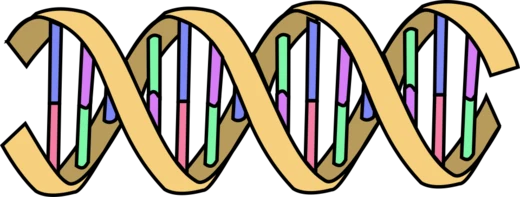
Plasmid
Small, extrachromosomal DNA molecules that replicate independently within cells.

DataBase Center for Life Science (DBCLS) · CC BY 4.0
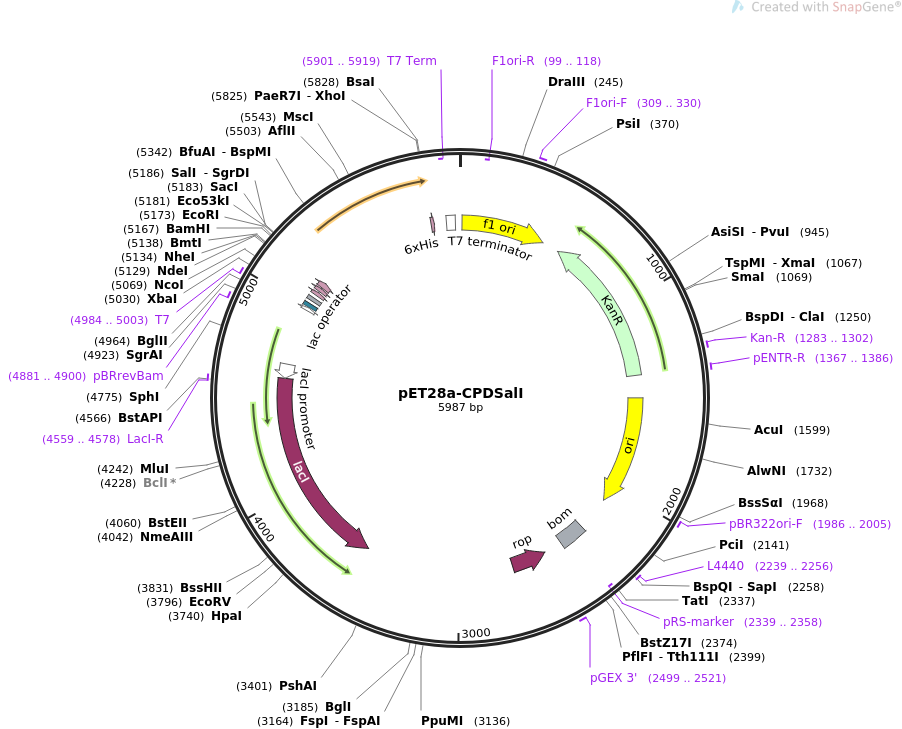
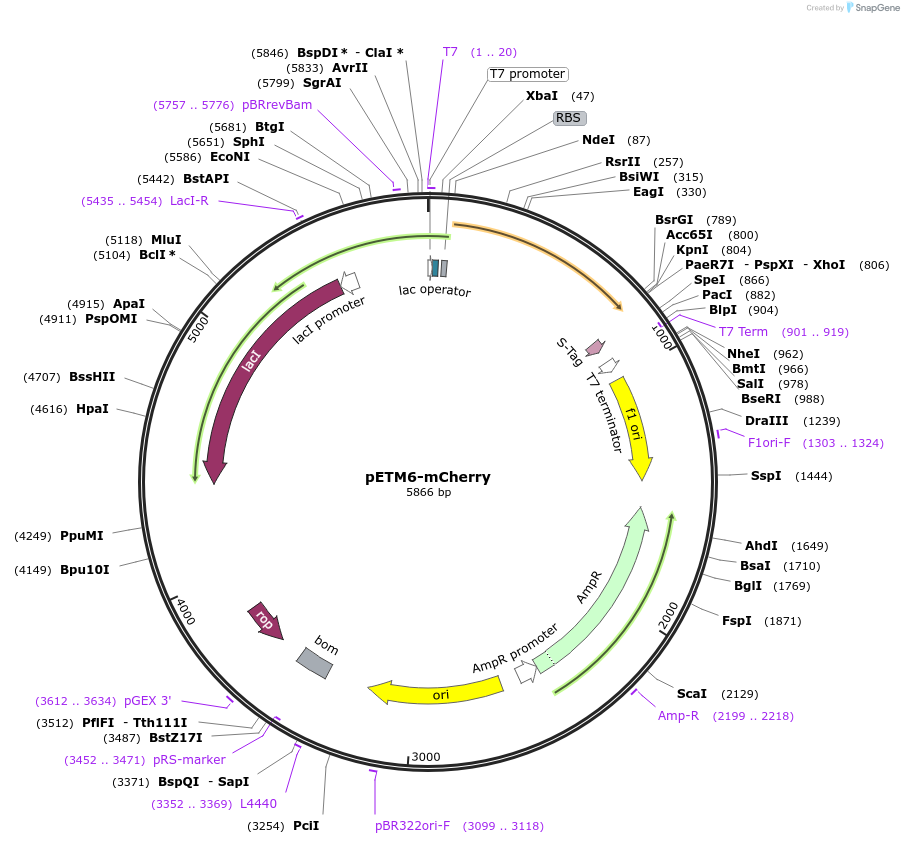
A plasmid is a small, extrachromosomal DNA molecule within a cell that is physically separated from chromosomal DNA and can replicate independently. They are most commonly found as small circular, double-stranded DNA molecules in bacteria and archaea, but are sometimes present in eukaryotic organisms as well. Plasmids often carry useful genes, such as those involved in antibiotic resistance, virulence, secondary metabolism, and bioremediation. Artificial plasmids are widely used as vectors in molecular cloning, serving to drive the replication of recombinant DNA sequences within host organisms.
- field
- Molecular biology, genetics
- known_for
- Extrachromosomal DNA elements that replicate autonomously and carry accessory genes
- type
- Genetic element (replicon)
Lore & Background
Plasmids are considered replicons, units of DNA capable of replicating autonomously within a suitable host. However, plasmids, like viruses, are not generally classified as life. Plasmids are transmitted from one bacterium to another (even of another species) mostly through conjugation. This host-to-host transfer of genetic material is one mechanism of horizontal gene transfer, and plasmids are considered part of the mobilome. Unlike viruses, which encase their genetic material in a protective protein coat called a capsid, plasmids are 'naked' DNA and do not encode genes necessary to encase the genetic material for transfer to a new host; however, some classes of plasmids encode the conjugative 'sex' pilus necessary for their own transfer. They almost always carry at least one gene, many of which are beneficial for the host cells, such as antibiotic resistance, virulence factors, or metabolic functions. Some plasmids, called cryptic plasmids, don't appear to provide any clear advantage to their host, yet still persist in bacterial populations. Plasmids may be classified into conjugative and non-conjugative types, as well as by incompatibility groups and by function, including fertility F-plasmids, resistance (R) plasmids, Col plasmids, degradative plasmids, and virulence plasmids.
Reader's Guide
Plasmids are fundamental to modern molecular biology and genetics. Their ability to replicate independently of the host chromosome and carry foreign DNA makes them indispensable as vectors in molecular cloning, enabling the replication of recombinant DNA sequences within host organisms. In the laboratory, plasmids may be introduced into a cell via transformation, and synthetic plasmids are available for procurement over the internet from various vendors using submitted sequences typically designed with software. Plasmids also play a critical role in horizontal gene transfer, particularly through conjugation, allowing the spread of genes such as antibiotic resistance among bacteria. Plasmids also contribute to bacterial virulence, secondary metabolism, and bioremediation. Their classification into incompatibility groups helps in understanding plasmid stability and spread. Despite their importance, plasmids are not classified as life, but as replicons within the mobilome. Their study continues to reveal mechanisms of gene transfer, evolution, and adaptation in microbial communities.
Did You Know?
- Plasmids are 'naked' DNA and do not encode genes necessary to encase genetic material for transfer, unlike viruses which have a capsid.
- Some plasmids, called cryptic plasmids, do not appear to provide any clear advantage to their host but may contribute to antibiotic resistance via heteroresistance.
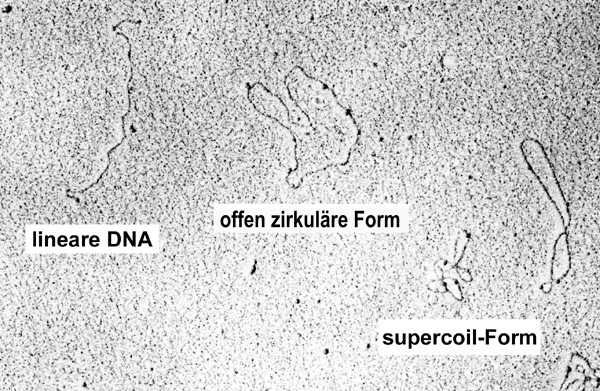
- Plasmids can be linear, though they are generally circular; linear plasmids require specialized mechanisms to replicate their ends.
Physical Nature and Structural Diversity
A plasmid is, at its core, a compact piece of DNA that lives outside the main chromosome of a cell and is capable of copying itself on its own. In the vast majority of cases, these molecules appear as small, circular, double-stranded structures inside bacteria and archaea, though they have occasionally been detected in eukaryotic organisms as well. Their physical dimensions span an impressive range: the tiniest mini-plasmids measure under a single kilobase pair, while megaplasmids can stretch into the several-megabase range, at which point the boundary between a plasmid and a minichromosome becomes blurry. Although circularity is the norm, linear plasmids do exist and demand specialized machinery to replicate their ends. The number of copies a single cell harbors—known as the copy number—can swing from just one to several hundreds, with larger molecules tending toward lower counts. Single-copy plasmids face the risk of being lost during cell division, so they employ partition systems such as the parABS or parMRC pathways to ensure each daughter cell receives a copy. Notably, among phytopathogenic bacteria, linear plasmids are essentially absent, with Rhodococcus fascians standing as the lone documented exception.
Genetic Payloads and Ecological Roles
While a chromosome carries the essential blueprint for everyday survival, a plasmid typically packs in a handful of extra genes tailored for special circumstances. These additional genetic elements can be remarkably powerful: they may grant a bacterium resistance to antibiotics or heavy metals, equip it with virulence factors that let it breach a host organism's defenses, or furnish metabolic pathways that allow the cell to degrade stubborn, toxic organic compounds. Some plasmids even bestow the ability to fix atmospheric nitrogen. In many cases the genes a plasmid carries are straightforwardly beneficial, enabling the host to thrive in environments that would otherwise be lethal or growth-restrictive. Yet not every plasmid tells such an obvious story. A category known as cryptic plasmids appears to confer no clear advantage to its host, and yet these enigmatic elements persist steadily within bacterial populations. Recent research has begun to reveal that cryptic plasmids may play a subtler role, contributing to what is termed heteroresistance—a phenomenon in which a small subpopulation within a bacterial community exhibits elevated antibiotic tolerance, complicating treatment. Nearly all plasmids carry at least one gene, underscoring that even the smallest of these molecules is far from genetically inert.
Origin of the Term and Evolution of the Definition
His original intent was broad: the term was meant to capture any extrachromosomal hereditary determinant, essentially any genetic material in a bacterium that spent at least part of its replication cycle outside the chromosome. That early, inclusive definition had a practical problem—it swept bacterial viruses into the same category as what we now think of as plasmids. Over the following years, researchers gradually tightened the concept, settling on the idea that a true plasmid must be capable of autonomous reproduction. The refined definition required three criteria: the element must exist exclusively or predominantly outside the chromosome, it must replicate on its own, and it must contribute to the transfer of mobile genetic elements between unrelated bacterial species. This careful narrowing gave the field a precise, workable category that has remained central to molecular biology ever since.
Transfer, Classification, and the Laboratory Workbench
Plasmids are not static passengers; they move between cells, and even between species, most commonly through a process called conjugation. In this host-to-host handoff, a plasmid passes from one bacterium to another as part of what scientists call horizontal gene transfer, and the collection of all such mobile elements is known as the mobilome. Unlike viruses, which wrap their genetic material in a protective protein shell called a capsid, plasmids travel as naked DNA. They do not encode the machinery needed to build a protective coat for transfer, though certain classes do produce a conjugative sex pilus that facilitates their own passage. This distinction underpins the broad split between conjugative plasmids, which carry a suite of transfer genes promoting sexual conjugation, and non-conjugative plasmids, which lack the ability to initiate that process independently. Beyond their natural biology, plasmids have become indispensable tools in the laboratory. Artificially designed plasmids serve as vectors in molecular cloning, driving the replication of recombinant DNA inside host organisms. Researchers introduce them into cells through transformation, and synthetic plasmids can even be ordered online from commercial vendors, who design them from submitted sequences using specialized software and may make iterative edits if an initial design fails to function.
Gallery
Frequently Asked Questions
What is a Plasmid?
A plasmid is a compact, self-replicating piece of DNA that resides outside the main chromosome inside a cell. Because it carries its own origin of replication, it can copy itself without depending on the chromosomal replication machinery.
What distinguishes Plasmid from the cell's regular chromosome?
Unlike chromosomal DNA, a plasmid exists as a separate, usually circular molecule that is not integrated into the genome. It maintains its own replication cycle and can be transferred between cells independently of the host chromosome.
What kinds of genes does Plasmid typically carry?
Plasmids frequently harbor accessory genes that grant the host cell extra capabilities, such as antibiotic resistance, virulence factors, or enzymes for degrading environmental pollutants. They may also encode pathways for producing secondary metabolites.
How do researchers put Plasmid to work in the lab?
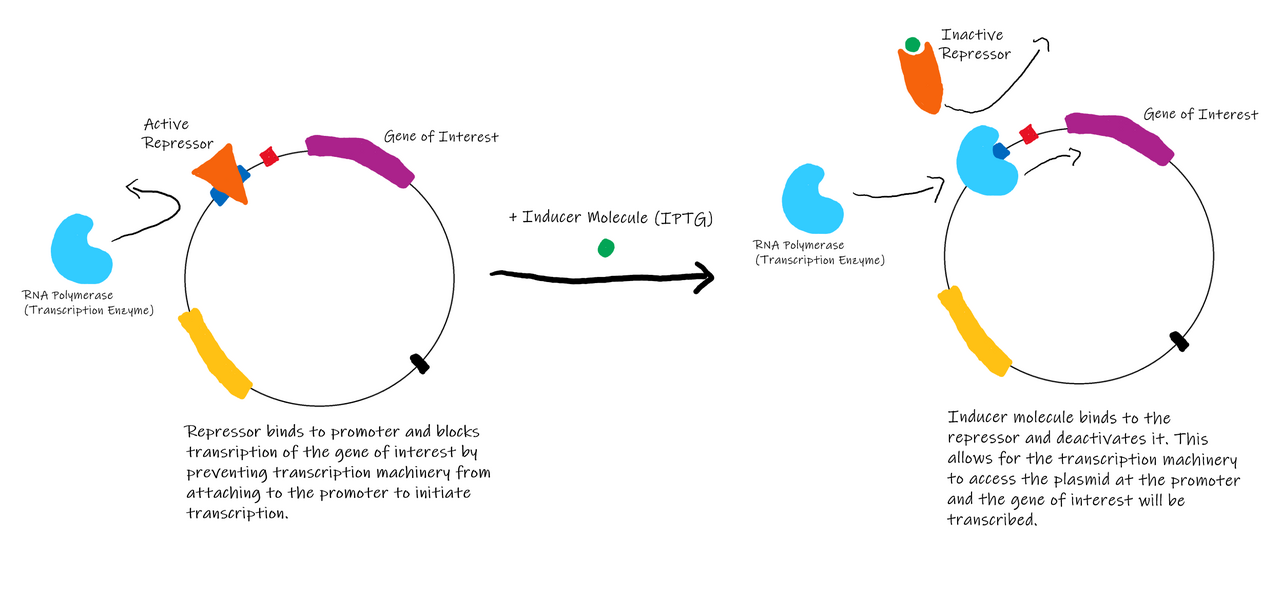
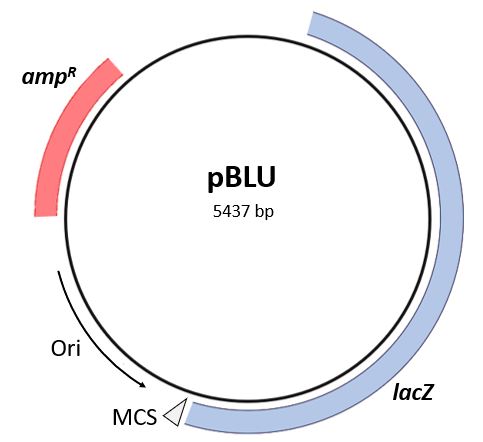
In molecular biology, scientists engineer artificial plasmids to serve as cloning vectors, inserting a gene of interest so the host cell will amplify and express it. This makes plasmids one of the most fundamental tools for genetic engineering and recombinant protein production.
In which organisms can Plasmid be found?
Plasmids are most abundant in bacteria and archaea, where they typically exist as small circular double-stranded molecules. They are not exclusive to prokaryotes, however, as certain eukaryotic organisms including some fungi and plants also harbor plasmid-like elements.
More in Cell & Molecular Biology 1-16
Spotted an error? Know more?
This is a living reference — every entry is fact-audited, and reader corrections feed straight into our audit queue. Suggest an edit · See this site's audit record