
Red blood cell
Vertebrate cells that deliver oxygen via hemoglobin.

Bobjgalindo · CC BY 4.0
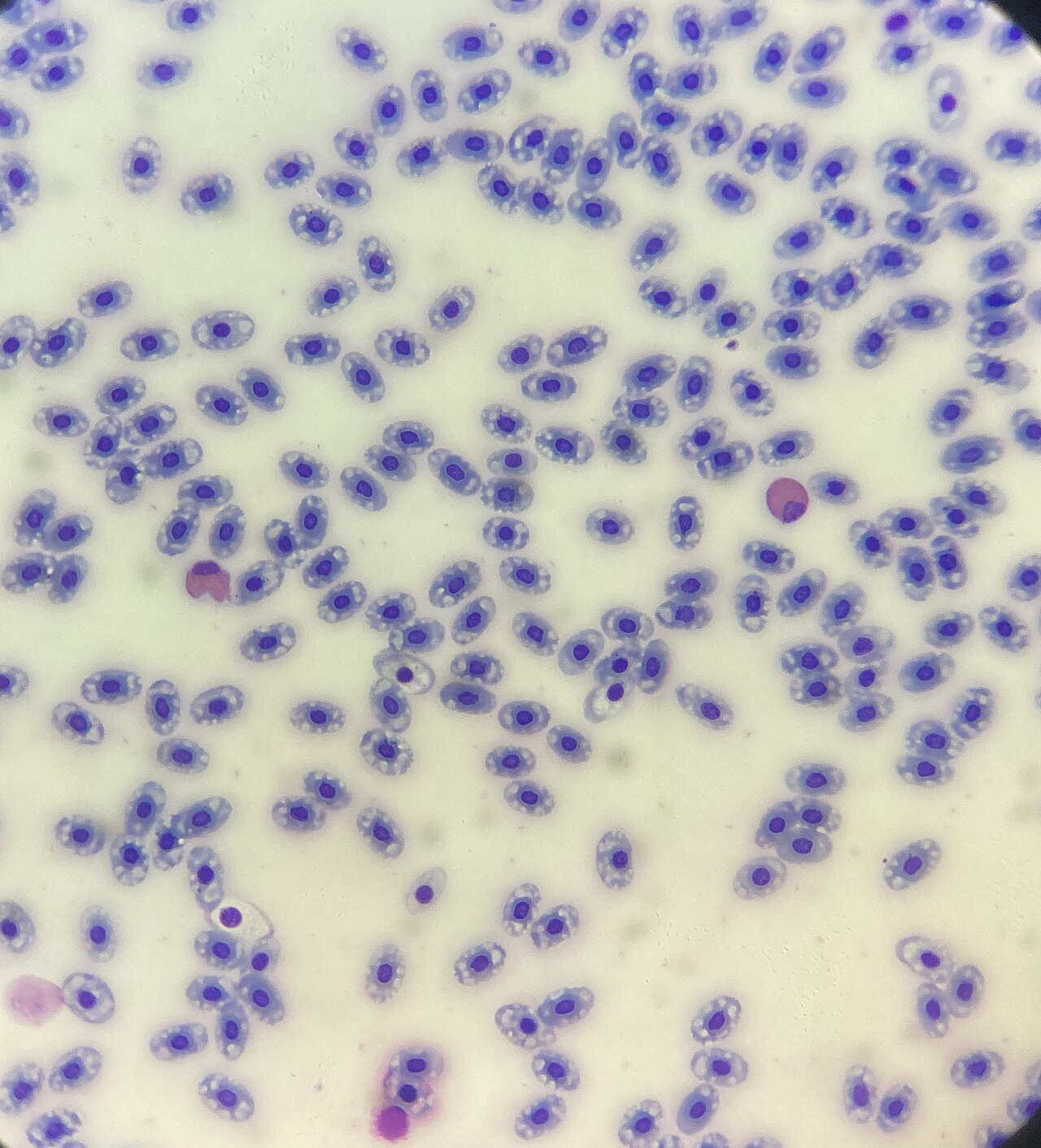
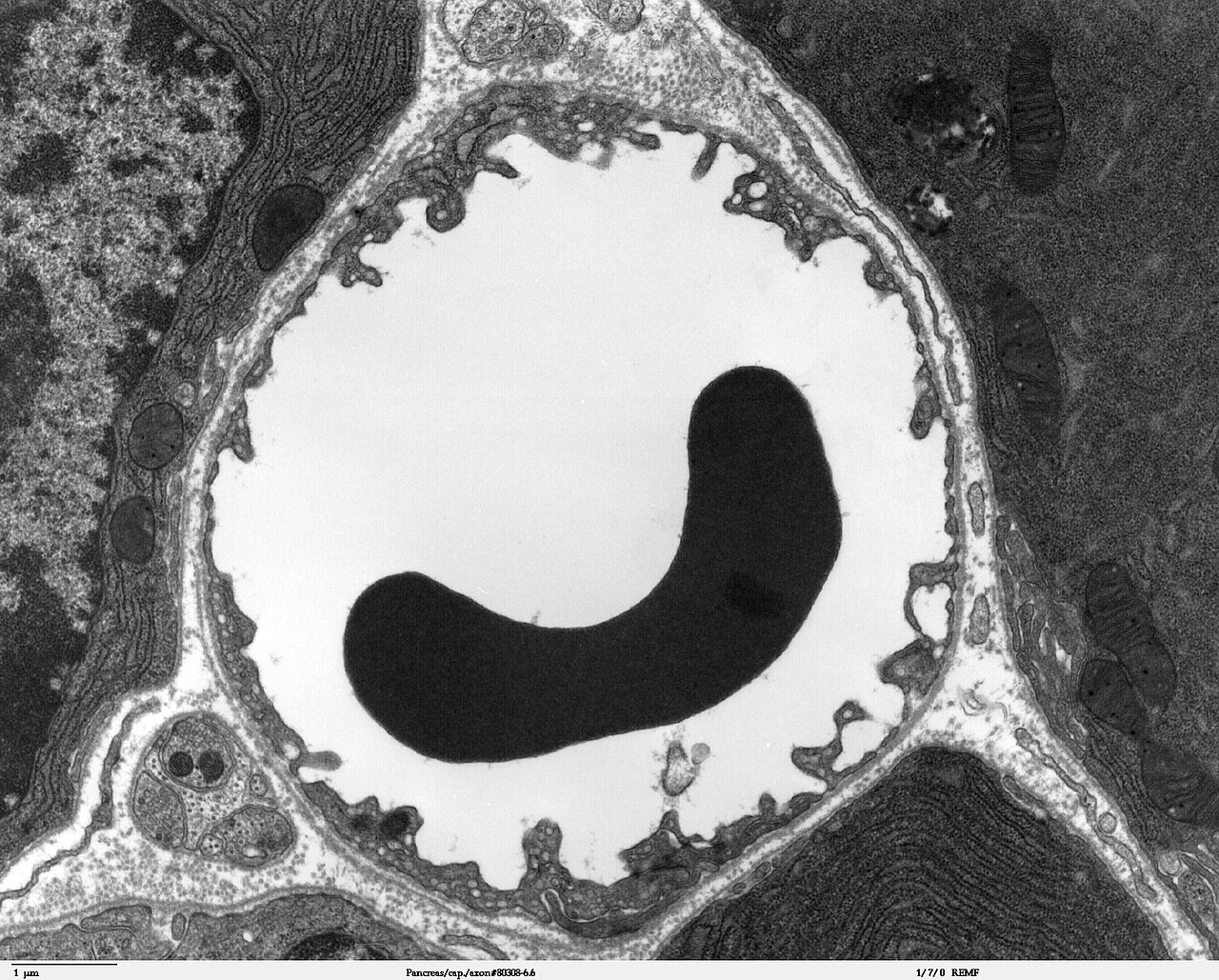
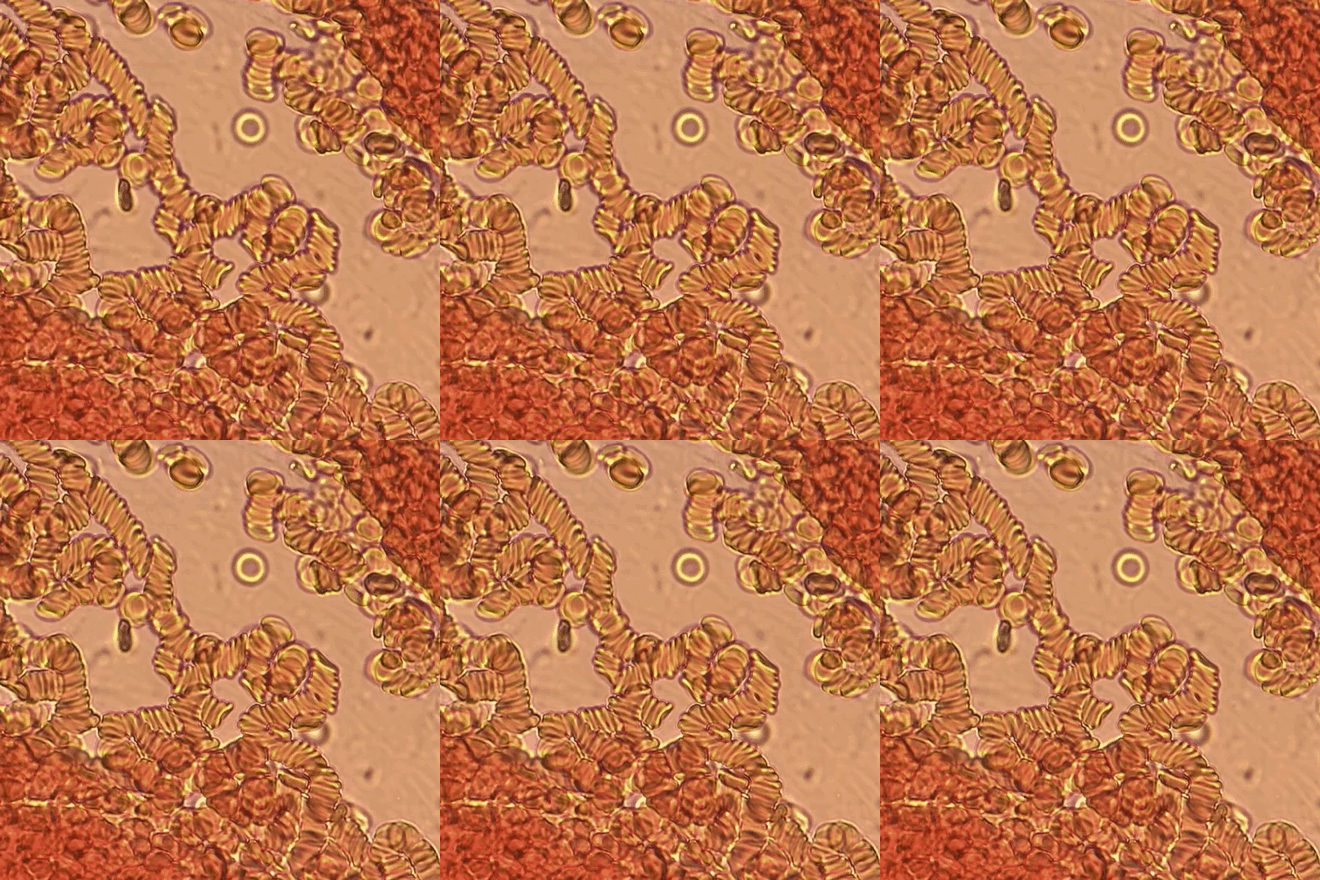
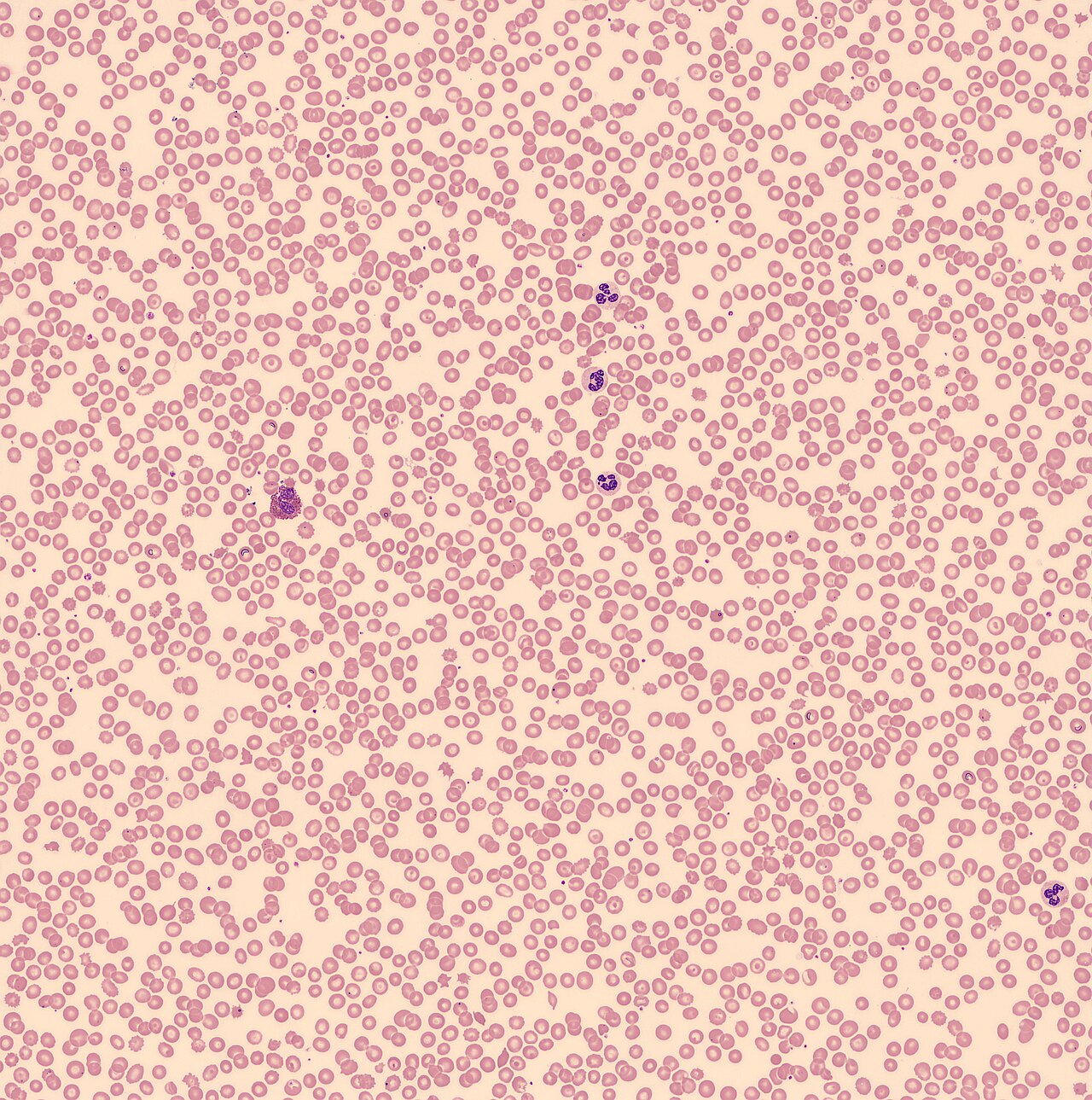
Red blood cells (RBCs), also known as erythrocytes, are the most common type of blood cell in vertebrates. They are the principal means of delivering oxygen to body tissues via blood flow through the circulatory system, taking up oxygen in the lungs or gills and releasing it into tissues while squeezing through capillaries.
- field
- Hematology, Physiology
- known_for
- Transporting oxygen via hemoglobin, biconcave disk shape, lack of nucleus in mammals
- production_rate
- Approximately 2.4 million per second in human adults
- count_in_humans
- 20–30 trillion (about 84% of all human cells)
- percentage_of_blood_volume
- 40% to 45%
Lore & Background
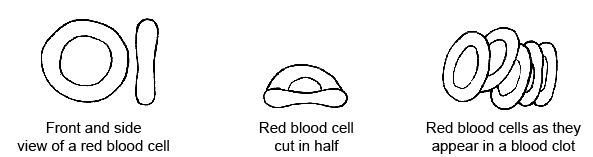
Red blood cells are rich in hemoglobin, an iron-containing biomolecule that binds oxygen and gives blood its red color. The cell membrane provides deformability and stability for traversing the capillary network. In humans, mature red blood cells are flexible biconcave disks that lack a cell nucleus and organelles, maximizing space for hemoglobin. Each circulation takes about 60 seconds. Approximately 2.4 million new erythrocytes are produced per second in human adults. Packed red blood cells are donated, processed, and stored in blood banks for transfusion.
Reader's Guide
Red blood cells are essential for oxygen transport in vertebrates. Their biconcave shape provides a high surface-area-to-volume ratio for efficient gas diffusion. Mammalian red blood cells are unique among vertebrates in lacking a nucleus when mature, which allows more space for hemoglobin. The only known vertebrates without red blood cells are crocodile icefish, which live in oxygen-rich cold water and transport oxygen dissolved in their blood. The evolution of oxygen-carrying proteins inside specialized cells allowed for less viscous blood, higher oxygen concentrations, and better diffusion to tissues. Red blood cells also carry some carbon dioxide back from tissues, though most is transported as bicarbonate in plasma. Hemoglobin's color change with oxygen saturation is used in pulse oximetry. Carbon monoxide poisoning produces bright red carboxyhemoglobin, which can cause falsely high oxygen saturation readings. The spleen acts as a reservoir of red blood cells, especially in some mammals like dogs and horses.
Did You Know?
- Approximately 84% of the cells in the human body are red blood cells.
- The only known vertebrates without red blood cells are crocodile icefish.
- Red blood cells in mammals are unique among vertebrates in lacking a nucleus when mature.
Structure and Gas-Exchange Function
Red blood cells, also known as erythrocytes, are the most abundant cell type circulating in human blood, occupying roughly 40 to 45 percent of total blood volume. Their defining feature is a circular, biconcave disk shape that makes them remarkably deformable, allowing them to squeeze through the narrowest capillaries in the body. Unlike nearly every other human cell, mature erythrocytes completely lack a nucleus, a trait that frees up internal space dedicated to hemoglobin, an iron-rich protein responsible for both their characteristic red color and their primary function. Hemoglobin shuttles oxygen from the lungs to every tissue in the body and simultaneously collects carbon dioxide from those tissues, carrying it back to the lungs for exhalation. These cells are also notably smaller than most other human cells, a compact design that pairs with their flexible geometry to ensure efficient passage through the circulatory system. Together, these structural and biochemical properties make erythrocytes purpose-built for one essential task: gas exchange.
Production, Lifespan, and the Erythroid Cycle
Every second, the adult human body manufactures approximately 2.4 million new red blood cells, a staggering output generated within the red bone marrow through a specialized process called erythropoiesis. The starting point for each new erythrocyte is a hematopoietic stem cell, the most versatile of all blood-forming cells, which carries the full differentiation potential to become any type of blood cell. As these stem cells commit to the erythroid pathway, they pass through earlier stages, including erythroblasts that still retain a nucleus, before maturing into the final anucleate form. A healthy adult typically maintains a red blood cell count between 4.5 and 5 million per cubic millimeter of blood. This continuous cycle of production and removal ensures that the oxygen-carrying capacity of the blood remains stable throughout a person's life.
Clinical Significance and Diagnostic Role
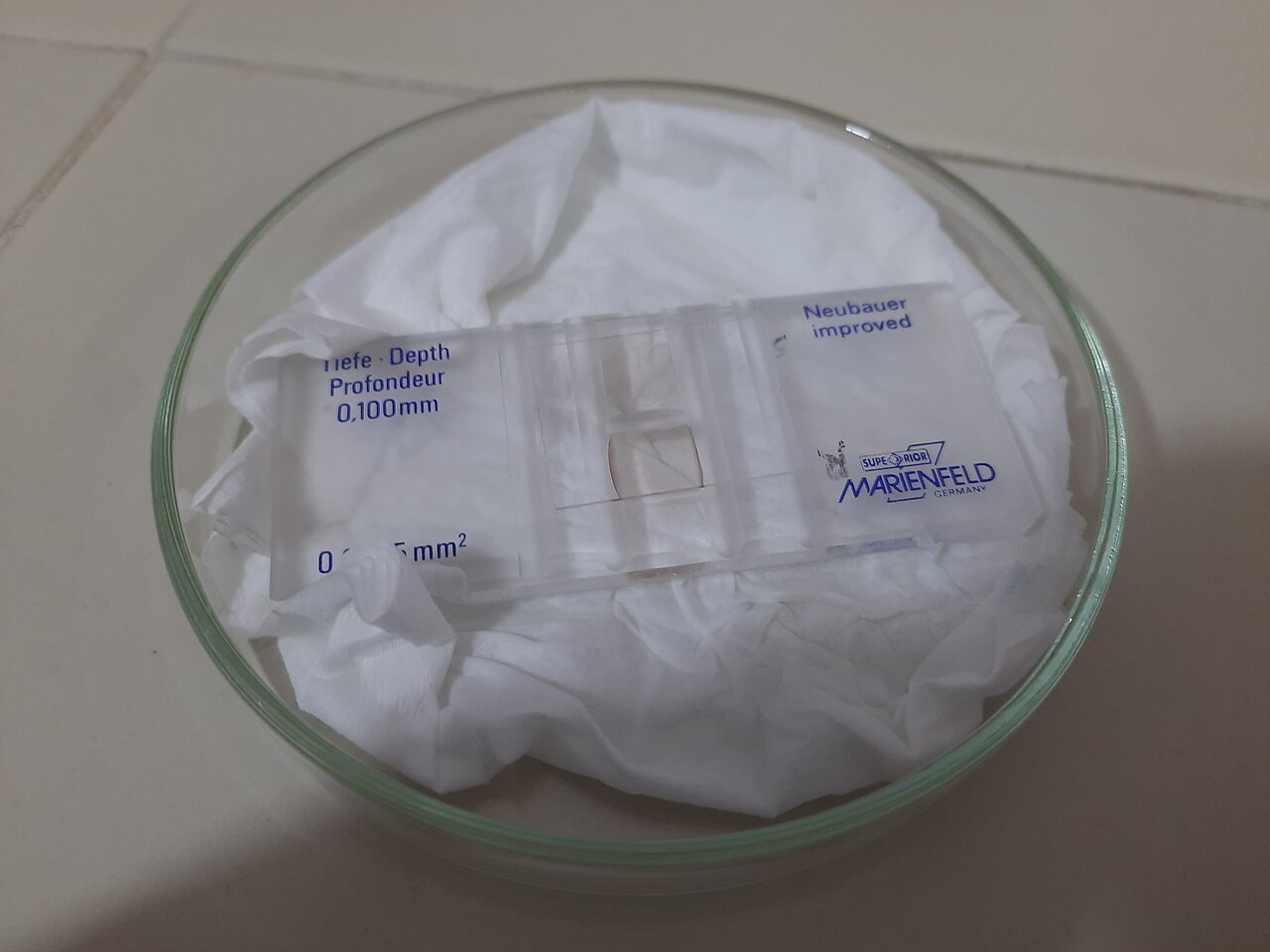
Because red blood cells are so central to oxygen delivery, deviations in their numbers carry immediate clinical weight. A deficiency in erythrocyte count is diagnosed as anemia, while an excess is termed polycythemia. Beyond simple counts, physicians also track the erythrocyte sedimentation rate, or ESR, which measures how quickly red blood cells settle to the bottom of a vertical column of anticoagulated blood. Normal ESR values differ by sex, running 3 to 5 millimeters per hour in males and 4 to 7 millimeters per hour in females. Red blood cell measurements are a cornerstone of the complete blood count, one of the most frequently ordered laboratory panels in medicine. Historically, technicians counted cells manually under a microscope, but today automated analyzers handle the vast majority of samples, with only about 10 to 20 percent still requiring manual microscopic examination. Abnormal results in any of these metrics can signal a wide range of underlying diseases, making the CBC an indispensable snapshot of a patient's overall health.
Historical Discovery and Place Among Blood Cells
Today we know that erythrocytes are just one of three major cell types in blood, alongside white blood cells and platelets. Together these three categories account for roughly 45 percent of blood volume, with the remaining 55 percent being plasma, the liquid medium in which all cells and proteins are suspended. All three cell types trace their origin back to the same multipotent hematopoietic stem cells in the bone marrow, underscoring a shared developmental lineage. While white blood cells defend against infection and platelets manage clotting, red blood cells remain uniquely dedicated to the quiet, ceaseless work of moving gases between lungs and tissues.
Gallery
Frequently Asked Questions
Who is Red blood cell?
Red blood cells, or erythrocytes, are the most abundant cell type in vertebrate blood, making up roughly 84% of all cells in the human body. They are the workhorses of the circulatory system, numbering in the 20–30 trillion range in a healthy adult.
What are Red blood cell's powers/role?
Their core ability is shuttling oxygen from the lungs or gills out to every tissue in the body, a job handled by the iron-rich protein hemoglobin packed inside them. Their distinctive biconcave disk shape maximizes surface area for gas exchange and lets them squeeze through the tiniest capillaries.
How does Red blood cell's story end?
A mature mammalian red blood cell lives roughly 120 days before its membrane wears out and it is broken down by the spleen and liver. Because it has no nucleus in mammals, it cannot repair itself, so its lifespan is fixed and it must be constantly replaced.
Why is Red blood cell important?
Without RBCs, oxygen could not reach muscles, organs, or the brain in sufficient quantities, making them essential for aerobic metabolism and survival. They account for 40–45% of total blood volume, which is why blood-type and transfusion-compatibility issues center on them.
How fast is Red blood cell's production rate?
The human bone marrow cranks out roughly 2.4 million new red blood cells every second in an adult, a staggering output that keeps the 20–30 trillion population stable. This relentless turnover is among the highest cell-production rates in the body.
More in Cell & Molecular Biology 1-16
Spotted an error? Know more?
This is a living reference — every entry is fact-audited, and reader corrections feed straight into our audit queue. Suggest an edit · See this site's audit record